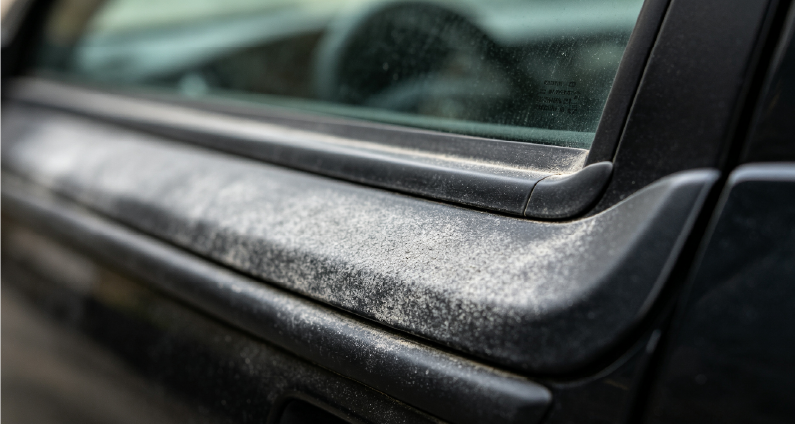
Over time, exterior plastic trim can lose its original rich black appearance and become dull, grey, or chalky. This fading is a common issue for many vehicles, especially those regularly exposed to sunlight and harsh weather conditions.
The good news is that faded plastic trim can often be restored with proper cleaning, preparation, and protection. With the right products and maintenance routine, you can dramatically improve your vehicle’s appearance and help prevent future fading.
WHY DOES PLASTIC TRIM FADE?
Most exterior trim pieces are made from plastic materials that are constantly exposed to environmental elements.
Common causes of fading include:
● UV radiation from sunlight
● Oxidation
● Rain and moisture
● Road salt and dirt
● Frequent exposure to heat
● Harsh cleaning chemicals
Over time, these factors break down the surface layer of the plastic, causing it to lose its color and richness.
COMMON AREAS AFFECTED BY FADING
Plastic trim can be found throughout a vehicle's exterior.
Typical areas include:
● Bumper trims
● Fender flares
● Door moldings
● Roof rails
● Cowlpanels
● Mirror housings
● Window surrounds
When these components fade, they can make an otherwise clean vehicle look older than it really is.
CAN FADED PLASTIC BE RESTORED?
In many cases, yes.
If the plastic has only experienced surface oxidation and weathering, a quality trim restoration product can significantly improve its appearance.
However, severely damaged or cracked plastic may require professional refinishing or replacement.
Step 1: Thoroughly Clean the Surface
Before restoration, the trim must be free from dirt, grease, and old dressing residue.
Cleaning Process
1. Rinse the area with water.
2. Apply a dedicated trim or all-purpose cleaner.
3. Reduce dust buildup
4. Improve overall appearance
5. Dry completely before moving to the next step.
A clean surface allows restoration products to bond more effectively.
Step 2: Remove Oxidation and Residue
Years of exposure can leave a layer of oxidation on the plastic surface.
Signs of oxidation include:
● Chalky appearance
● Uneven color
● Rough texture
Gently cleaning and preparing the surface helps create a more uniform finish before restoration.
Step 3: Apply a Trim Restorer
A trim restorer is specifically designed to rejuvenate faded plastic and restore its original appearance.
Benefits include:
● Deepens color
● Enhances appearance
● Restores a rich black finish
● Improves surface uniformity
Application Tips
● Apply a small amount to an applicator pad.
● Spread evenly across the trim.
● Work one section at a time.
● Remove excess product if necessary.
Allow the product to cure according to the manufacturer’s instructions.
Step 4: Protect Against Future Fading
Restoring trim is only part of the process. Protection is essential for maintaining results.
UV rays are the primary cause of recurring fading, so applying a protective layer can help preserve the restored appearance.
Benefits of trim protection products:
● UV resistance
● Water repellency
● Reduced oxidation
● Longer-lasting color
Regular maintenance can greatly extend the life of restored trim.
COMMON MISTAKES TO AVOID
Using Tire Shine on Plastic Trim
Some drivers use tire dressing as a quick solution, but not all tire products are suitable for plastic surfaces.
This can lead to:
● Uneven appearance
● Greasy finish
● Dust attraction
Always use products specifically designed for trim restoration.
Applying Product to Dirty Surfaces
Dirt trapped beneath restoration products can reduce effectiveness and create patchy results.
Proper cleaning should never be skipped.
Applying Too Much Product
Excess product may leave streaks or an unnatural shine.
Thin, even application generally produces the best results.
Ignoring UV Protection
Restored trim without protection may begin fading again within a relatively short period.
Protection is just as important as restoration.
How Often Should Plastic Trim Be Maintained?
Maintenance frequency depends on climate and vehicle usage.
General recommendations:
● Routine cleaning: Every 2 weeks
● Trim protection: Every 1–2 months
● Full restoration treatment: Every 3–6 months as needed
Vehicles parked outdoors may require more frequent maintenance.
ADDITIONAL TIPS FOR LONG-TERM RESULTS
To keep exterior trim looking its best:
● Park in shaded areas whenever possible
● Wash contaminants off regularly
● Avoid harsh chemical cleaners
● Reapply protection products periodically
● Inspect trim during routine vehicle washes
Consistent care helps prevent severe fading and prolongs the life of exterior plastics.
FINAL THOUGHTS
Faded plastic trim can significantly affect the overall appearance of a vehicle, making it look older and less cared for. Fortunately, restoring trim is often a simple process that delivers noticeable results.
With proper cleaning, restoration, and ongoing protection, exterior plastic surfaces can regain a darker, richer appearance and stay looking newer for longer.
A small amount of maintenance can make a big difference in the overall presentation of your vehicle.


-1-300x300.png)